



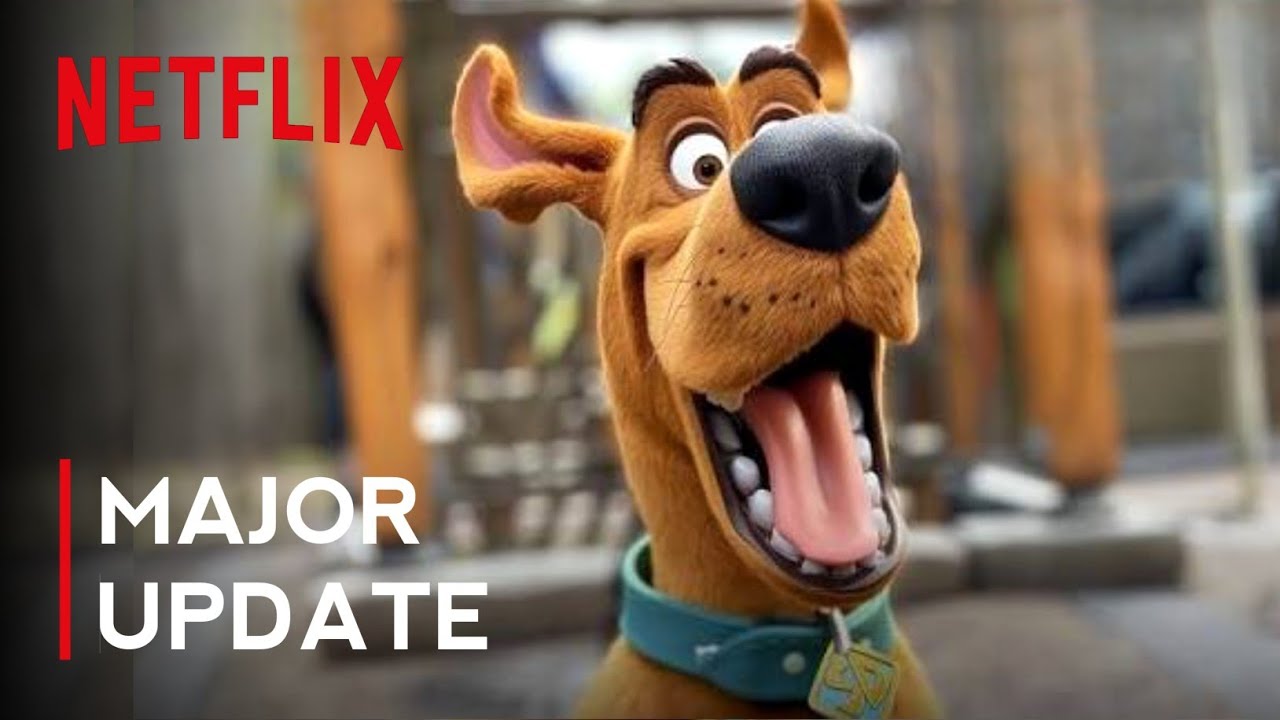
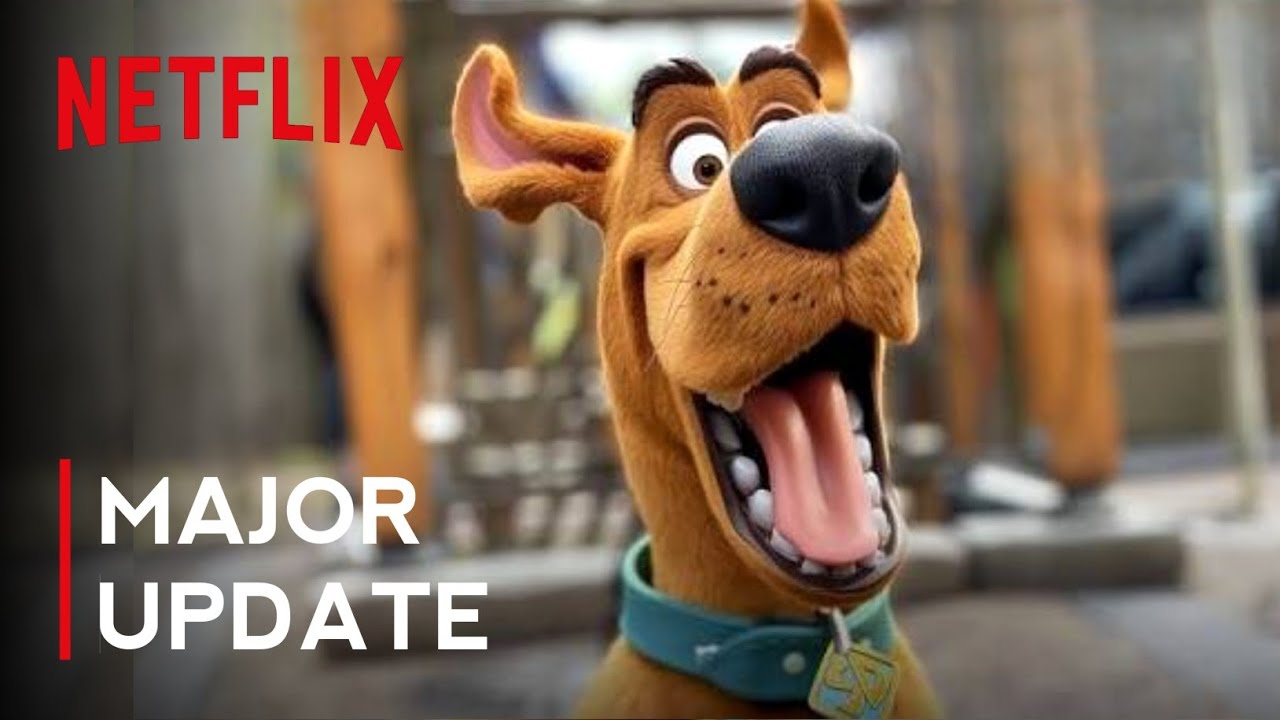
A Familiar Mystery Enters Unfamiliar Territory
Netflix has officially confirmed that its live-action Scooby-Doo series will begin filming in April, a quiet announcement that carries a loud cultural echo. For more than five decades, Scooby-Doo has been a fixture of popular entertainment, endlessly rebooted, reanimated, and reinterpreted. Yet every new version faces the same question: how do you modernize a property that thrives on nostalgia without embalming it?

This upcoming series arrives not as a reinvention for children alone, but as a calculated nod to generations who grew up with Mystery Inc. The lack of concrete details only heightens curiosity. In an era where reboots often confuse darkness with depth, the true mystery is not who is behind the mask, but what kind of story Netflix wants to tell.

The Legacy of Scooby-Doo on Screen
Scooby-Doo has survived because of its simplicity. A group of friends, a spooky setting, and a mystery that always has a human explanation. The formula is elastic, but not infinite. Animated series have experimented with tone, from slapstick comedy to genuinely eerie storytelling, while the early 2000s live-action films leaned heavily into self-aware camp.

Those films, while divisive, understood something essential: Scooby-Doo works best when it respects its own absurdity. The danger of a modern live-action series lies in forgetting that the franchise was never about realism. It was about atmosphere, rhythm, and the comfort of repetition.
Why Live Action Still Matters
Choosing live action again suggests ambition. Animation offers safety; live action invites scrutiny. Sets must convince, performances must balance sincerity and exaggeration, and the iconic characters must feel like people rather than costumes.
- Live action allows deeper emotional subtext between the characters.
- It opens the door for more grounded, suspense-driven storytelling.
- It risks alienating audiences if tone is mishandled.
How Dark Is Too Dark?
The biggest unanswered question is tone. Modern reboots often chase darkness as a shortcut to relevance. Scooby-Doo, however, has always been spooky without being cruel, frightening without being nihilistic. Its villains wear masks not just to deceive, but to remind us that fear itself is often manufactured.
A darker Scooby-Doo can work if darkness is used as texture rather than thesis. Think foggy hallways, abandoned amusement parks, and long shadows that suggest danger without indulging in it. The show does not need violence to feel mature; it needs patience, mood, and trust in silence.
Comedy as a Structural Necessity
Humor is not optional. Scooby-Doo collapses without it. Shaggy and Scooby are not side characters; they are the release valve that keeps the mystery from becoming oppressive. Any live-action adaptation that sidelines comedy in favor of brooding seriousness misunderstands the engine that has kept this franchise alive.
Character Is the Real Mystery
Mystery Inc. works because of balance. Fred’s confidence, Daphne’s curiosity, Velma’s intellect, Shaggy’s anxiety, and Scooby’s instinctive fear form a complete ecosystem. Overemphasize one trait and the group dynamic fractures.
A modern series has an opportunity to deepen these characters without rewriting them. Velma does not need to be reinvented to feel relevant; her intelligence already is. Daphne does not need to escape her past portrayals so much as evolve beyond them. And Fred, often dismissed as bland, can become the emotional anchor if written with care.
What Modernization Should Look Like
- Character growth that feels organic, not corrective.
- Dialogue that respects intelligence without signaling it.
- Relationships that feel lived-in rather than explained.
Netflix’s Track Record with Reboots
Netflix has proven capable of handling legacy properties with both confidence and confusion. When successful, the platform allows stories to breathe across episodes. When unsuccessful, it mistakes volume for vision. Scooby-Doo requires restraint. Mysteries benefit from pacing, not excess.
The episodic format could be the series’ greatest strength. Instead of a single overstretched plot, each mystery can stand alone while contributing to a broader emotional arc. This mirrors the structure that made the original series enduring.
Final Thoughts: A Mystery Worth Watching
With filming set to begin and details scarce, Netflix’s live-action Scooby-Doo exists in a space of possibility rather than proof. That is not a flaw; it is an invitation. The franchise does not demand reinvention so much as understanding. It asks its creators to remember why audiences cared in the first place.
If the series embraces atmosphere over gimmicks, character over commentary, and humor over irony, it could become more than another nostalgic experiment. It could remind us that mysteries are not solved by tearing things apart, but by looking closely at what is already there.
In the end, Scooby-Doo has always promised that the truth, however frightening it seems, is human. That idea feels as relevant now as it did when the gang first pulled a mask from a villain and laughed at the fear that fooled them all.