



Overview
There is a certain kind of low-budget horror film that knows exactly what it is and refuses to apologize for it. Ted Bunny (2026) arrives with a premise so brazen it dares you to dismiss it outright. Yet beneath its lurid surface lies a movie that understands exploitation as both a provocation and a mirror. This is not refined horror, nor does it aspire to be. Instead, it leans into discomfort, testing how far the genre can stretch metaphor before it snaps.

Plot Summary (No Spoilers)
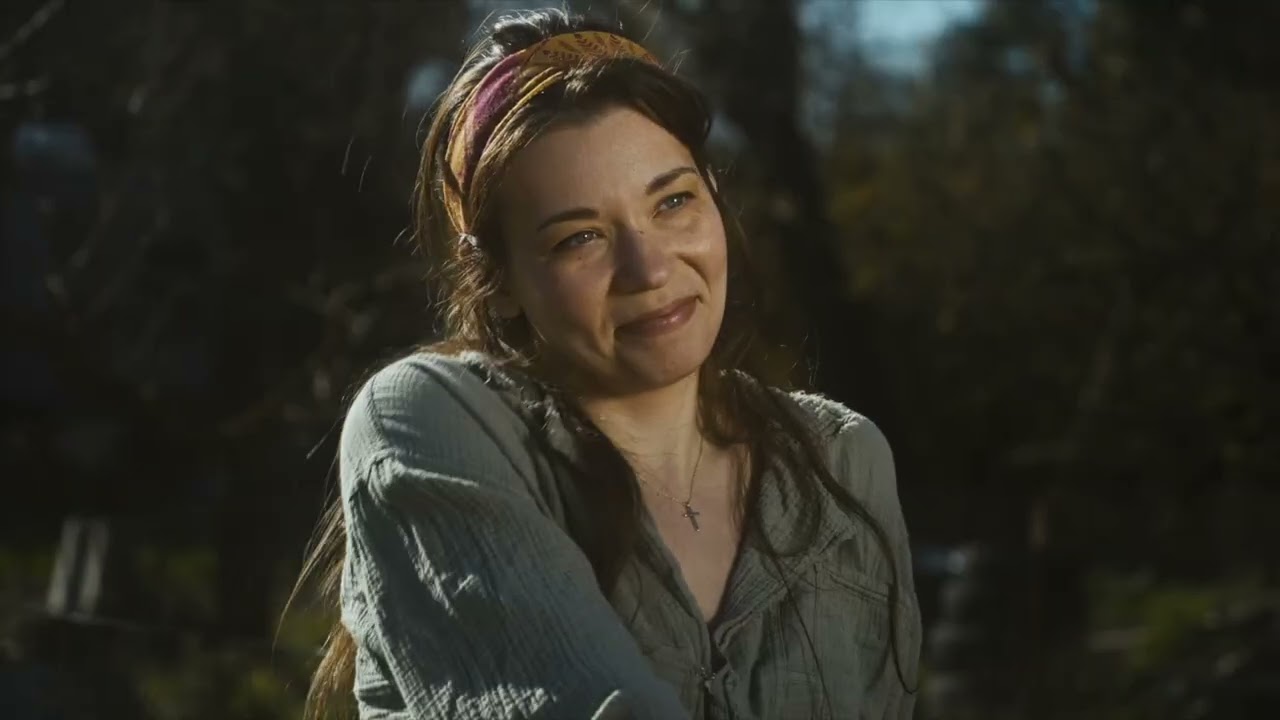
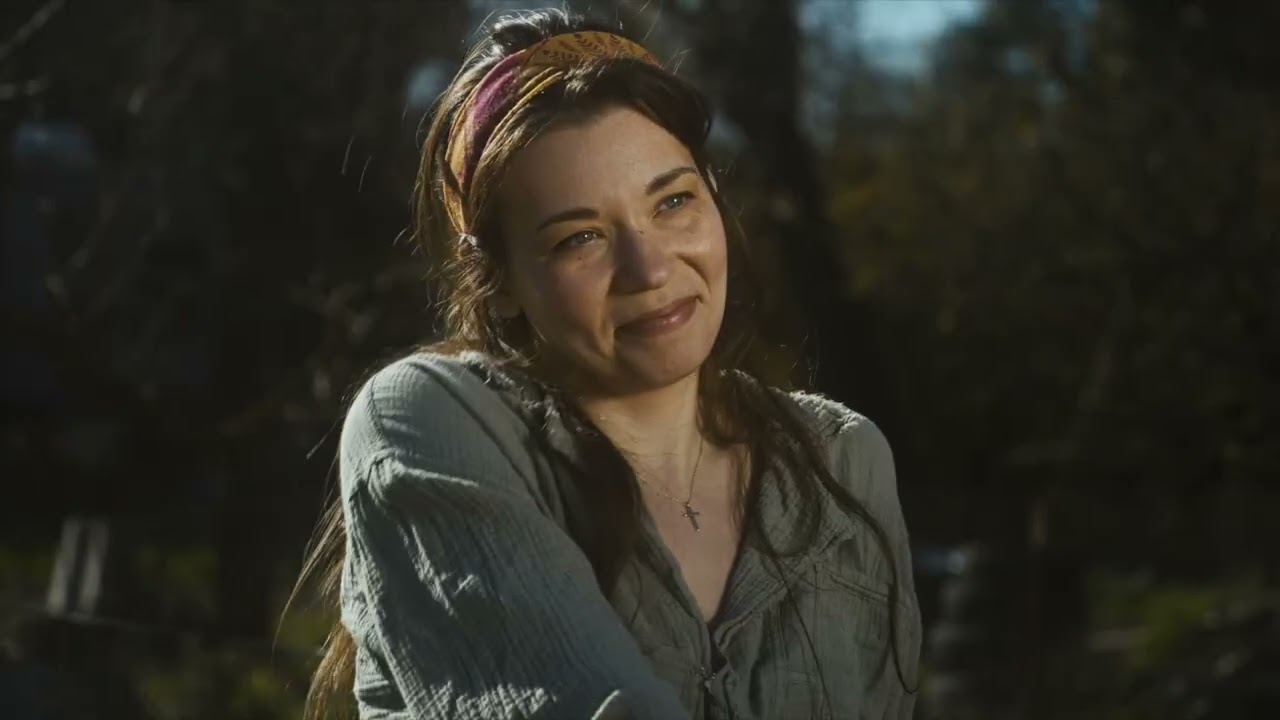
The story centers on Ted Bunny, the illegitimate son of notorious serial killer Ted Bundy, raised in isolation and surrounded by rabbits rather than people. His fragile equilibrium collapses when a documentary film crew arrives at his rural home, hoping to mine his infamous lineage for shock value. Their presence acts as a catalyst, awakening a violence that has long been dormant. What follows is a grim escalation that plays less like a traditional slasher and more like a slow, festering psychological breakdown.

A Performance Built on Unease
The actor portraying Ted Bunny shoulders the film almost entirely, and it is a performance rooted in physicality and silence. He moves with a twitchy hesitance, as if every human interaction is a foreign language he never fully learned. When violence finally erupts, it feels less like spectacle and more like an inevitable release of pressure. This restraint gives the character a tragic dimension, even when the film pushes him into monstrous territory.

Direction and Tone
The direction favors grit over polish. The camera lingers uncomfortably close, often refusing the relief of a clean cut. This choice reinforces the film’s central idea: exploitation is not just something the documentary crew commits, but something the audience is implicated in as well. The tone oscillates between pitch-black satire and genuine menace, occasionally stumbling but never losing its nerve.
Themes Beneath the Blood
For all its grindhouse trappings, Ted Bunny is quietly obsessed with inheritance and identity. The film asks whether evil is something passed down through blood, imposed by society, or manufactured through neglect. The rabbits, both absurd and unsettling, function as a visual metaphor for innocence warped by isolation. They are not just props; they are symbols of a childhood that never stood a chance.
Key Themes Explored
- The ethics of true-crime obsession
- Nature versus nurture in horror storytelling
- Exploitation as both subject and method
Technical Craft
The film’s modest budget is evident, but it is used strategically. Practical effects are rough around the edges yet effective, favoring suggestion over excess. The sound design deserves special mention, using ambient noise and sudden silences to keep viewers off balance. The score, minimal and droning, hums beneath the action like an unresolved thought.
Strengths and Weaknesses
- Strength: A fearless central performance that commits fully to the premise
- Strength: A thematic ambition that elevates the shock value
- Weakness: Uneven pacing in the middle act
- Weakness: Some secondary characters exist only as narrative devices
Release Information
Ted Bunny (2026) is scheduled for VOD release on February 13, 2026, positioning it as a timely offering for audiences seeking something darker and more confrontational.
Final Verdict
Ted Bunny will not be for everyone, and it has no interest in courting mainstream approval. It is abrasive, occasionally messy, and deliberately unsettling. Yet there is an honesty in its approach that commands attention. Like the best disreputable horror films, it understands that fear is most effective when it crawls under the skin rather than leaps out from the shadows. For viewers willing to engage with its provocations, this is a film that lingers long after the screen goes dark.