



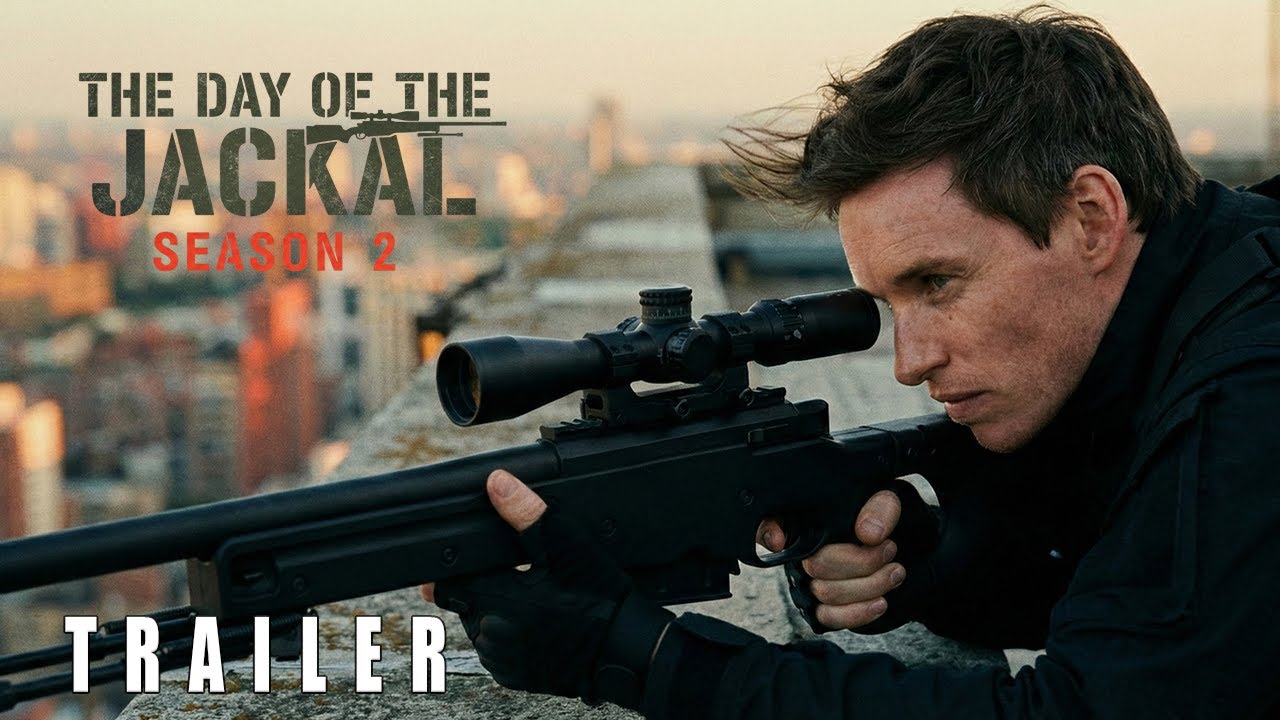
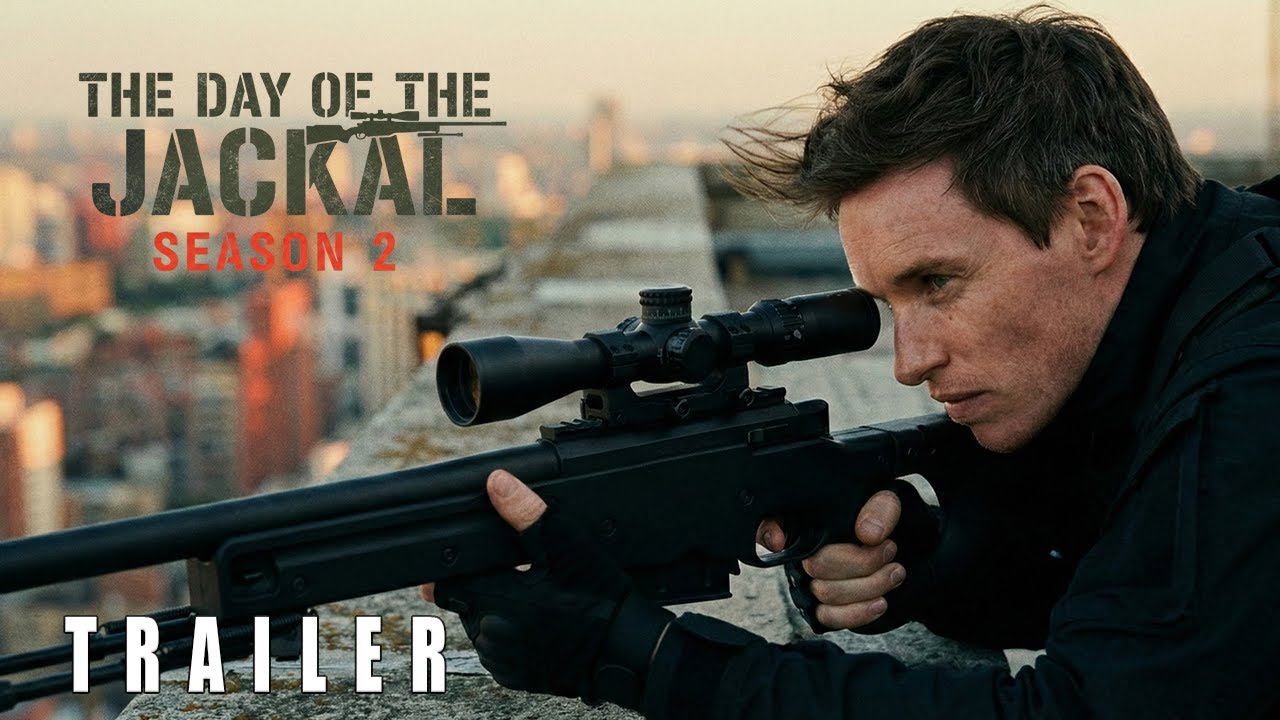
An Assassin Returns to a Sharper World
Season 2 of The Day of the Jackal arrives with the confidence of a series that knows exactly what it is and refuses to dilute its identity. This is not spectacle-first television. It is a meticulously engineered thriller that understands tension as a craft, not a volume knob. The show resumes its cat-and-mouse ethos with an elevated sense of purpose, sharpening its blades not just in action set pieces but in psychology, strategy, and moral consequence.

From the opening episode, the series establishes a relentless rhythm. Each move feels deliberate, every silence loaded with intent. It is the kind of season that trusts viewers to keep up, to read faces, to question motivations, and to live with uncertainty. In an era of over-explained twists, that restraint feels bracing.

Story and Structure: A Game of Inches
The narrative architecture of Season 2 is built on escalation rather than excess. The stakes rise not because the explosions get bigger, but because the margins get thinner. Plans hinge on seconds, on chance encounters, on the smallest human errors. The writers understand that suspense thrives when outcomes feel plausible yet fragile.

What distinguishes this season is its patience. Episodes often begin with quiet preparation and end with irreversible consequences. The show resists the urge to summarize or spoon-feed, allowing threads to braid naturally over time. The result is a story that rewards attention and punishes distraction.
Espionage Without Illusions
This is espionage portrayed as work rather than fantasy. Meetings are tense, logistics matter, and victories are partial at best. The series recognizes that intelligence warfare is less about bravado and more about attrition, compromise, and moral erosion. Season 2 leans into that realism, making every success feel earned and every failure costly.
Character Study: The Price of Precision
At the center stands the Jackal, a figure defined not by swagger but by discipline. Season 2 deepens the character without softening him. We see the toll of constant vigilance, the isolation required to maintain perfection, and the quiet dread that comes with being perpetually hunted. This is not a romanticized assassin; it is a professional whose excellence demands emotional austerity.
Supporting characters are treated with similar care. Allies carry secrets, adversaries reveal vulnerabilities, and no one exists merely to move the plot. Even minor figures arrive with inner lives and credible motivations, giving the world a lived-in authenticity.
Trust as a Weapon
One of the season’s most compelling themes is trust as both currency and trap. Relationships are transactional, yet deeply human. Loyalties shift not because characters are fickle, but because circumstances force impossible choices. The series excels at showing how intelligence work corrodes certainty, leaving only probabilities and risk.
Direction and Craft: Tension by Design
The direction favors clarity over chaos. Action scenes are staged with spatial logic, allowing viewers to understand who is where and why it matters. Editing is precise, never frantic, and sound design often does the heavy lifting, using silence as effectively as music.
Cinematography reinforces the show’s emotional temperature. Cool palettes and controlled compositions mirror the characters’ restraint, while occasional handheld moments signal instability. Nothing feels accidental. The craftsmanship serves the story rather than calling attention to itself.
Pacing That Respects the Audience
Season 2 is demanding, but fair. It asks viewers to engage actively, to remember details, and to sit with ambiguity. In return, it offers payoffs that resonate because they are earned through accumulation rather than surprise alone. This is television that values intelligence, both onscreen and off.
Thematic Depth: Identity Under Surveillance
Beyond its thrills, the season explores identity in a world of constant observation. Who are you when every action is monitored, every relationship potentially leveraged? The Jackal’s struggle is not just external pursuit but internal erosion, the slow loss of self beneath layers of cover and contingency.
The show also interrogates power structures, suggesting that institutions are as fallible as the individuals within them. Control is portrayed as provisional, dependent on information that is always incomplete.
Final Verdict: A Thriller That Trusts Its Sharpness
The Day of the Jackal – Season 2 stands as a model of disciplined storytelling. It is gripping without being loud, intelligent without being cold. The series understands that true suspense lives in anticipation, in the space between decision and consequence.
For viewers willing to engage fully, this season offers a richly rewarding experience. It is a reminder that the most effective thrillers do not chase adrenaline alone; they cultivate it, patiently and precisely, until every moment feels like a held breath.
Who Should Watch
- Fans of intelligent espionage dramas
- Viewers who appreciate psychological tension over spectacle
- Audiences looking for layered characters and deliberate pacing
Overall Rating
A confident, meticulously crafted continuation that sharpens every edge. Season 2 does not just raise the stakes; it refines the game.