




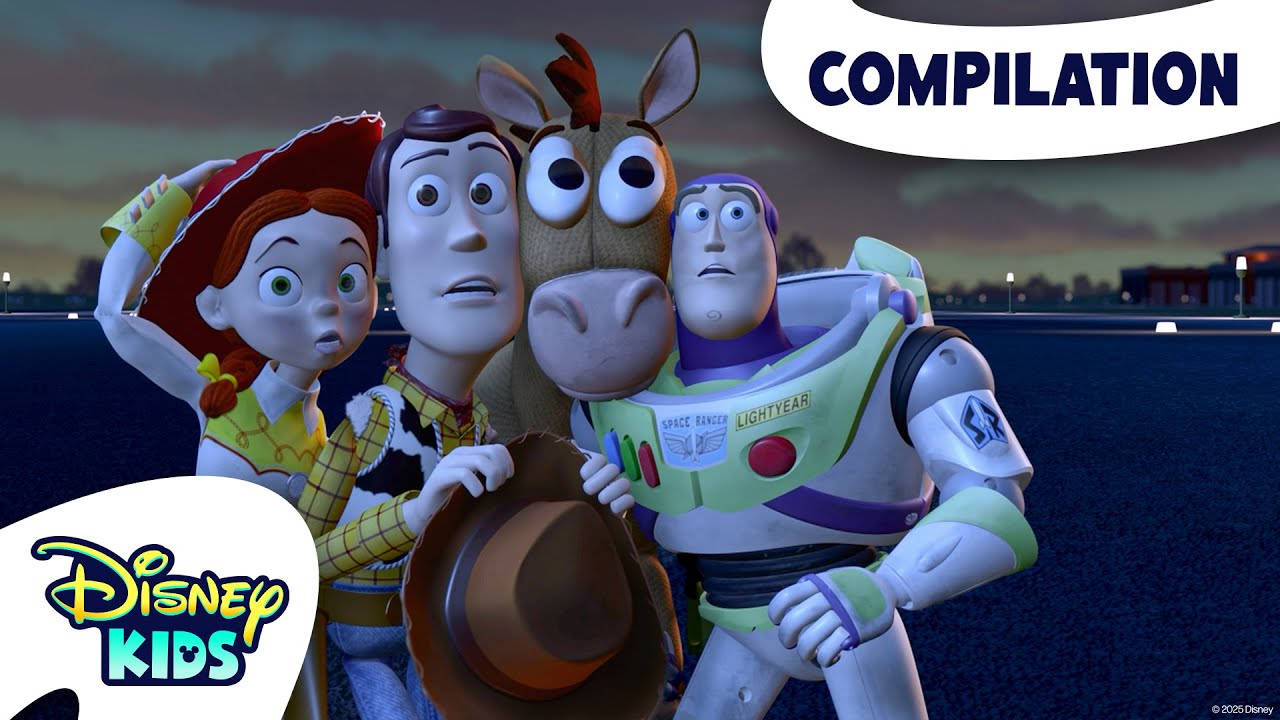
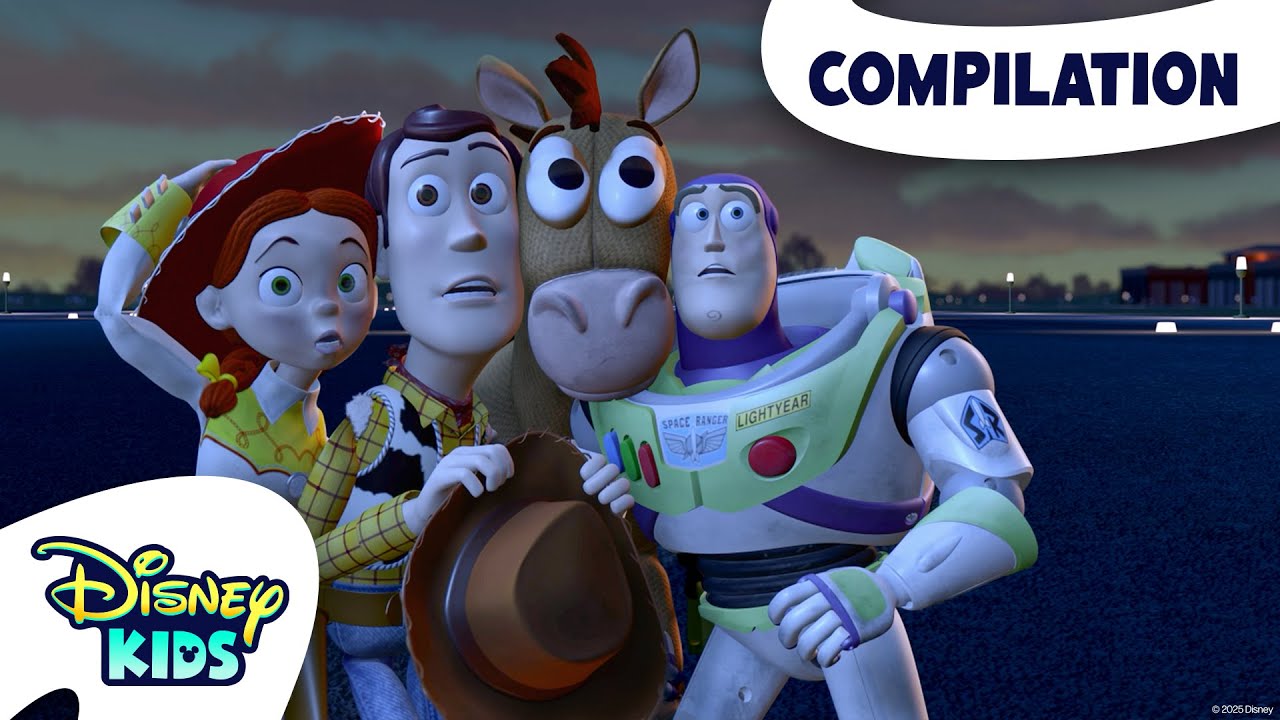
The Evolution of Toy Story: A Bold Shift in Perspective
For decades, Toy Story was synonymous with Woody. He was the emotional core, the steadfast leader, the character through whom the heart of the franchise beat. Each of the first three films told Woody’s journey — from his struggles with jealousy in the first movie to his emotional release in Toy Story 3, where he had to let go of the past for the future of his friends. Woody was always at the center, the one who carried the weight of the story. But in Toy Story 4, that dynamic began to shift, quietly but profoundly altering the way we understood the franchise.

The Bold Shift: Woody’s Exit and the Spotlight on New Faces
The moment Toy Story 4 arrived, the focus was no longer entirely on Woody. For the first time, it felt like the narrative was expanding beyond him, offering room for other characters to emerge and take center stage. Buzz Lightyear, who had always been a strong second lead, had his moments, but the larger shift was less about him and more about the inclusion of characters like Forky, Bo Peep, and the emotionally complex dynamics between the toys themselves. This was not simply a lateral move — this was a seismic shift in the storytelling approach. Woody was still there, but his role had changed.

Why the Shift Wasn’t Just Necessary, But Vital
When a franchise spans decades, as Toy Story has, the natural instinct is to evolve. What was once a fresh take on the world of toys now had to contend with a different cinematic landscape, one where audiences are looking for deeper emotional stakes and more diverse perspectives. The decision to allow characters like Bo Peep — a character who had been almost forgotten in the earlier films — to step into the foreground was a powerful choice. It spoke to the maturity of the series, which no longer had to rely solely on its original lead to drive the emotional weight of the narrative. Toy Story 4 wasn’t simply a continuation; it was a reinvention of what the series could be.

Emotional and Narrative Complexity
Thematically, the movies had always grappled with the idea of change. In Toy Story 3, Woody had to accept that he was no longer the favorite toy. He had to face the inevitability of growing older and the changing emotional needs of his owner, Andy. But in Toy Story 4, the stakes were more personal: Woody was not just dealing with his own sense of obsolescence, but also with the evolving identities of the toys around him. This story is not about him alone — it’s about the larger community of toys and their own journeys toward self-actualization. Woody’s evolution as a character — his letting go, his accepting new roles — speaks to a much bigger idea: the courage to allow others to grow, and the wisdom to know when to step aside.
The Franchise’s Future
The shift in Toy Story was a critical turning point. While it marked the end of Woody’s reign as the emotional anchor, it didn’t diminish his importance in the narrative. If anything, it elevated him by showcasing his growth and his ability to relinquish control. This was a perfect narrative arc that made room for other characters to shine, without diminishing the legacy of the original protagonist. The future of Toy Story may no longer revolve around Woody, but it’s clear that this decision to broaden the scope of the franchise has injected new life into a series that could have easily relied on nostalgia alone. Instead, it remains a relevant and emotionally potent force in modern animation.
Conclusion: A Brave New Toy Story
In the end, Toy Story works best not because it holds onto its past, but because it has the courage to evolve. The focus on Woody was essential to the first three films, but the franchise’s continued vitality is in its ability to expand its narrative horizons. Whether or not Woody remains the main character, Toy Story is no longer just about him — it’s about the evolution of the toys themselves, and by extension, the way we view stories about growth, change, and legacy.